
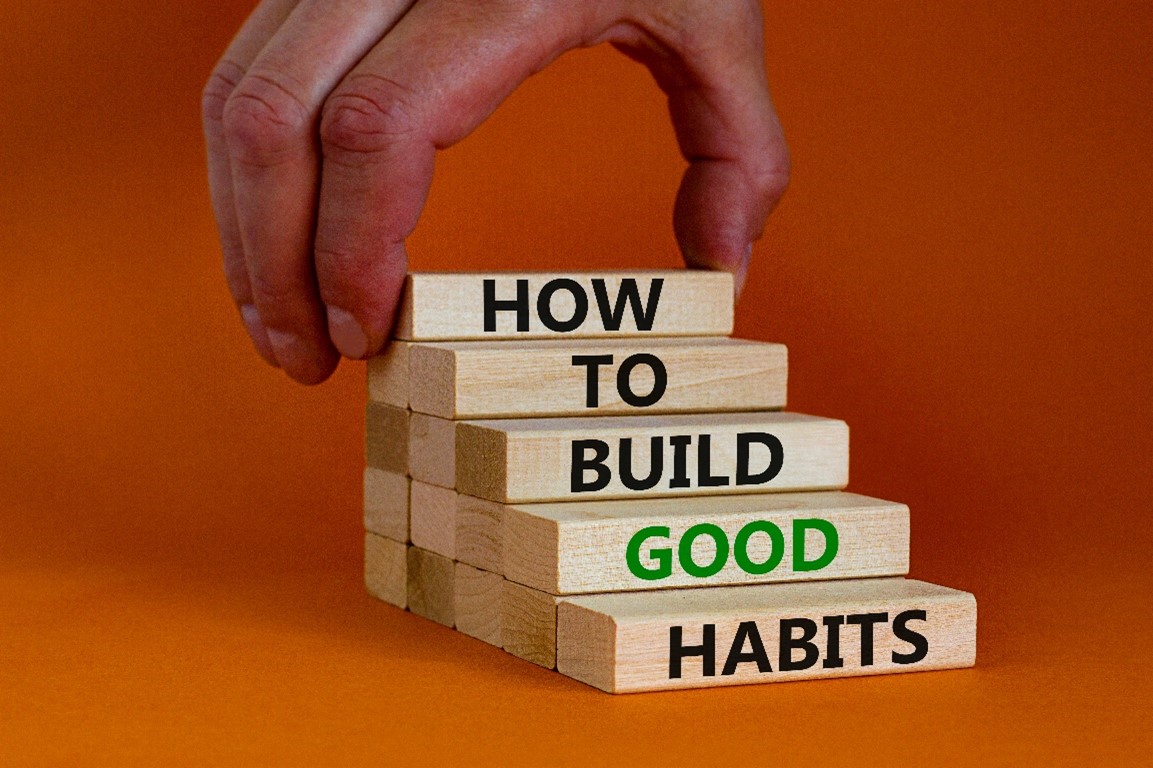
A simple, research-backed guide for the New Year
Every January, motivation is high — and by February, most goals fade. Research shows this isn’t a willpower problem. It’s a habit design problem.
Here’s what the science actually says about building habits that stick — distilled into simple, practical truths.
1. Habits Are Built by Repetition, Not Motivation
Research consistently shows that habits form through consistent repetition in a stable context, not bursts of motivation.
Simple takeaway:
Don’t wait to feel motivated. Show up consistently, even when effort feels low.
Motivation fluctuates. Systems last.
2. Small Habits Compound Faster Than Big Ones
Studies on behavior change show that smaller behaviors performed consistently are far more likely to stick than large, disruptive changes.
Simple takeaway:
Start smaller than you think you need to.
A 5-minute walk builds more momentum than an all-or-nothing 60-minute workout that never happens.
3. Consistency Matters More Than Intensity
Research on habit automaticity shows that frequency matters more than effort level. The brain wires habits faster when actions are repeated often — not when they’re done intensely.
Simple takeaway:
Doing something “easy” every day beats doing something “hard” once a week.
Consistency creates identity. Intensity just creates soreness.
4. Environment Shapes Behavior More Than Discipline
Behavioral science shows that environmental cues drive behavior far more than conscious decision-making.
Simple takeaway:
Change what’s around you, not just what’s inside you.
Lay your clothes out. Keep healthy food visible. Remove friction from good habits and add friction to bad ones.
5. Habits Stick When They’re Attached to Identity
Research suggests habits are more durable when tied to identity rather than outcomes.
Simple takeaway:
Don’t say “I’m trying to work out.” Say “I’m someone who trains.”
When behavior reinforces identity, the habit becomes self-sustaining.
6. Progress Beats Perfection
Studies on habit adherence show that people who allow for imperfection stick with behaviors longer than those chasing flawless execution.
Simple takeaway:
Miss a day — don’t miss twice.
The goal isn’t perfection. The goal is momentum.
How to Apply This in the New Year
Instead of setting one massive resolution, try this research-backed framework:
- Pick one habit
- Make it small
- Tie it to an existing routine
- Design your environment to support it
- Focus on showing up, not crushing it
Final Thought
The New Year isn’t about becoming someone new overnight.
It’s about becoming 1% more consistent — one small habit at a time.
That’s how real change compounds.