
Most people don’t fail because they don’t want change badly enough.They fail because they’re trying to change in isolation. Every January, motivation is high. Gym attendance spikes. Meal plans are downloaded. Routines are “reset.”And then—slowly—life happens. Schedules get busy. Stress increases. Old habits creep back in.
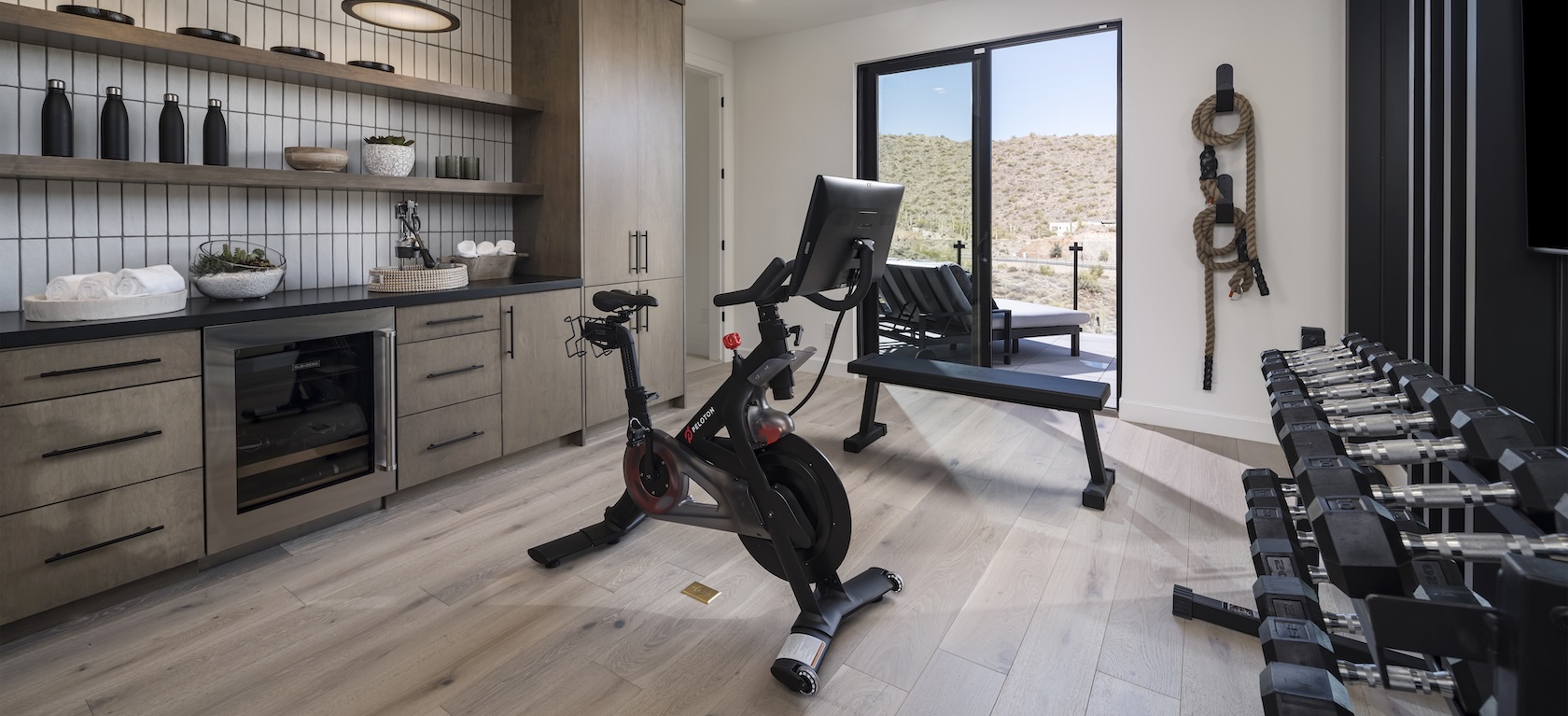
Health Isn’t a Luxury Anymore — It’s the New Standard
Not long ago, prioritizing your health was seen as something you did after work, after success, after everything else. Training, recovery, sleep, and nutrition were optional add-ons—nice to have, but rarely protected. That narrative is changing fast. Across industries, cities, and age groups, we’re seeing a mainstream shift: health is no longer a side project—it’s a prerequisite. From Hustle Culture to Sustainability For years, hustle culture rewarded burnout. Long hours, skipped meals, poor sleep, and constant stress were worn like badges of honor. But the data—and lived experience—caught up. People started connecting the dots: Today, high performers aren’t asking how much can I push?They’re asking how long can I sustain this? That mindset shift is driving a surge in: Health Is Becoming a Status Symbol (In the Best Way) What’s interesting is how this shift is showing up. It’s no longer about extreme fitness challenges or all-or-nothing routines. The new version of “fit” looks like: In many ways, health has become the ultimate form of wealth—because it directly impacts how you work, lead, parent, and show up socially. Why This Matters More Than Ever Modern life is demanding. Desk work, stress, long commutes, screens, and constant stimulation all take a toll on the body. The people thriving right now aren’t doing more—they’re doing better: This is why we’re seeing the rise of integrated models that blend physical therapy, performance training, and lifestyle guidance. The lines between rehab, fitness, and wellness are blurring—because real health doesn’t live in silos. The Future of Fitness Is Preventative, Personalized, and Human The biggest takeaway from this health-first movement is simple: You don’t train to look good for a season.You train to live well for decades. Prioritizing your health isn’t selfish. It’s responsible. It’s forward-thinking. And increasingly, it’s the norm. At Evolve, we see this every day—people choosing to invest in how they move, feel, and function before something breaks. And honestly? That’s a trend worth leaning into.
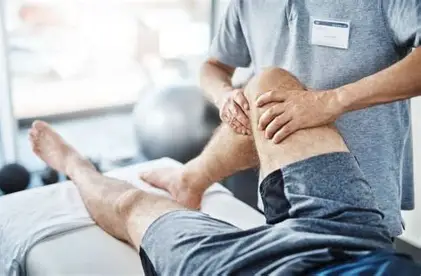
Why Completing Your Full Physical Therapy Plan Matters More Than You Think
6–8 Weeks vs. “A Few Visits” — The Difference in Real Results Every week, we see it happen: a patient starts physical therapy, feels a little better after a few sessions, and decides they’re “good enough” to stop. Pain is down. Movement feels easier. Life gets busy.
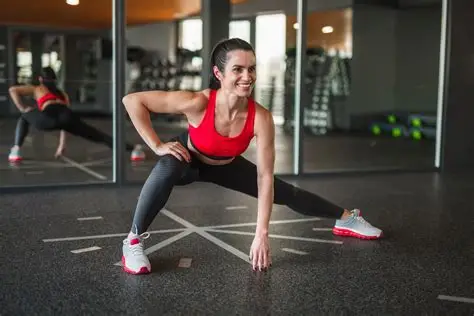
Key to Better Performance and preventing injury: Proper Warm-Ups
A proper warm-up isn’t just something to “get through” before your workout — it’s a critical performance tool. Whether you’re lifting, running, or simply trying to stay active and pain-free, how you prepare your body before training can determine how well you move, how strong you feel, and how resilient you stay over time.
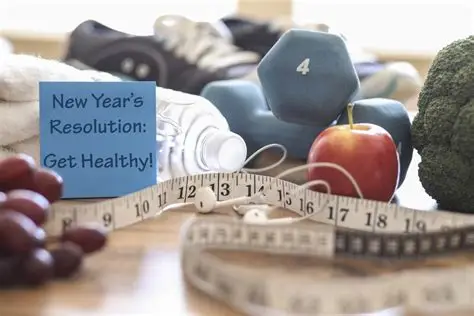
Getting Ahead in the New Year by Prioritizing Your Health
The New Year often brings a renewed sense of motivation—new goals, new routines, and a desire to feel better in your body. But too often, people jump straight into intensity without preparing the foundation needed to sustain it.
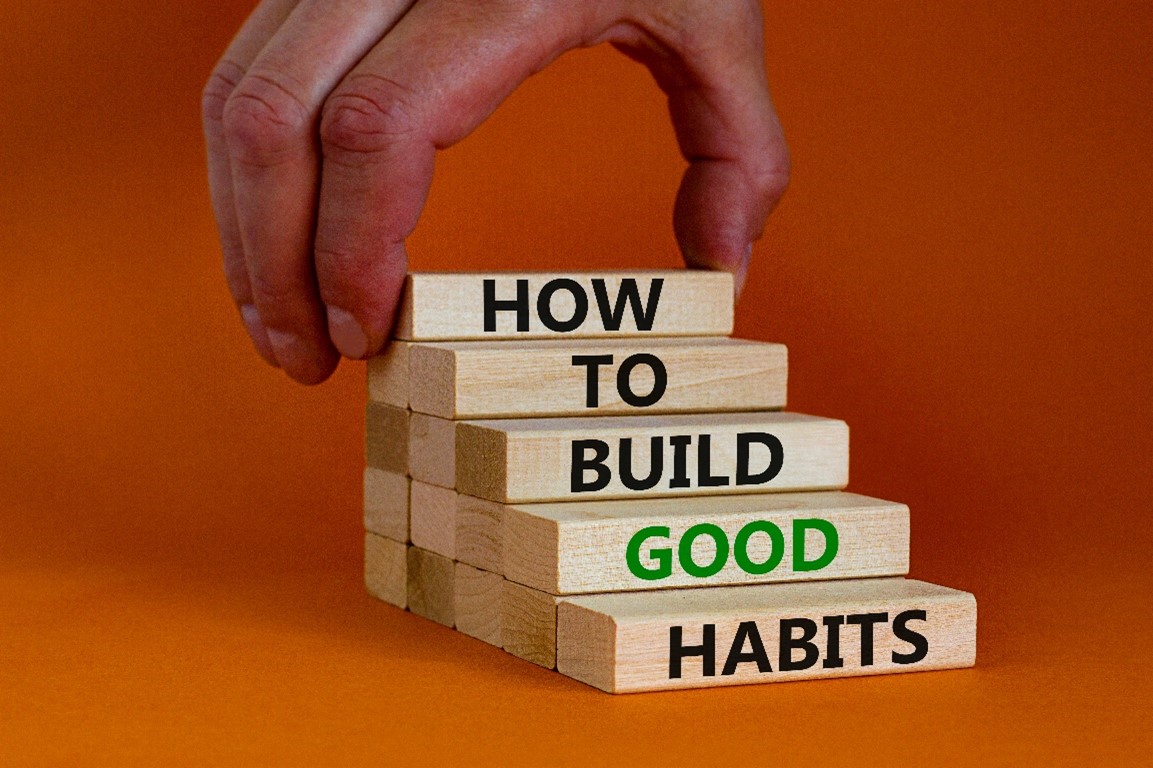
The Science of Habit Building
A simple, research-backed guide for the New Year Every January, motivation is high — and by February, most goals fade. Research shows this isn’t a willpower problem. It’s a habit design problem. Here’s what the science actually says about building habits that stick — distilled into simple, practical truths.

Fuel the Season: How to Prioritize Food Without Missing the Holidays
The truth is food during the holidays doesn’t need to be all-or-nothing. With the proper mindset, nutrition can support your energy, recovery, and health while still leaving room for tradition, connection, and enjoyment. The goal isn’t restriction — it’s intentional prioritization.
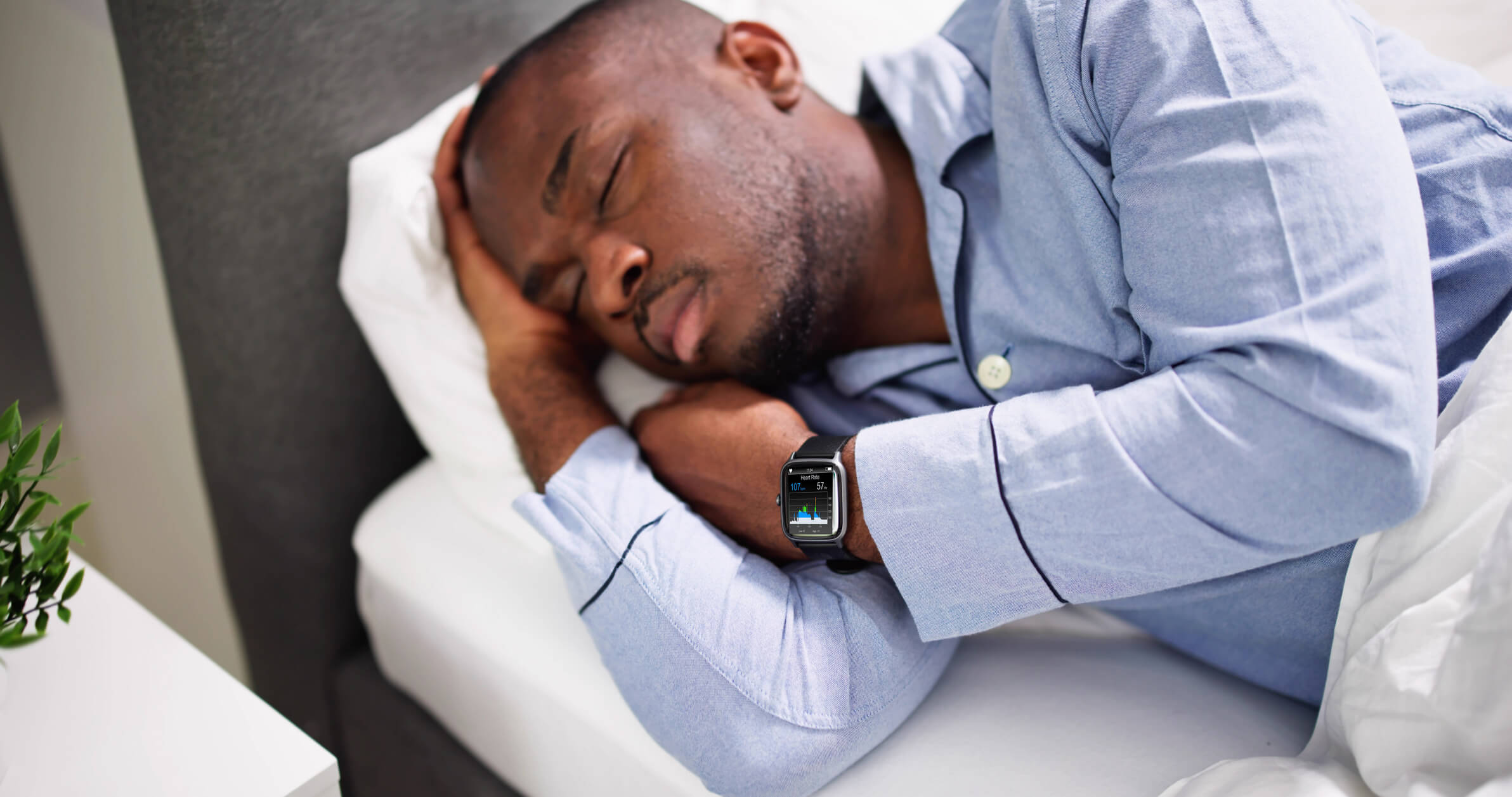
Sleep: The Most Underrated Recovery Tool in Your Training Program
If you’re training hard, rehabbing an injury, or simply trying to feel better day-to-day, there’s one recovery tool that outperforms nearly everything else—and it’s free. Sleep.
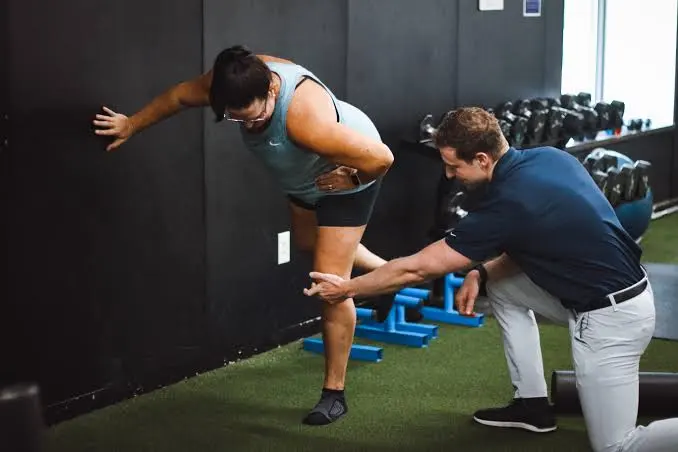
Prehab: The Missing Ingredient for Aging Well (and Staying Active for Life)
Most people think of physical therapy as something you start after an injury — once pain shows up, mobility drops, or daily life becomes harder than it used to be. But the latest research in rehabilitation, longevity, and sports performance all point to a different truth: The smartest thing you can do for your future health is start “prehab” long before you need rehab.
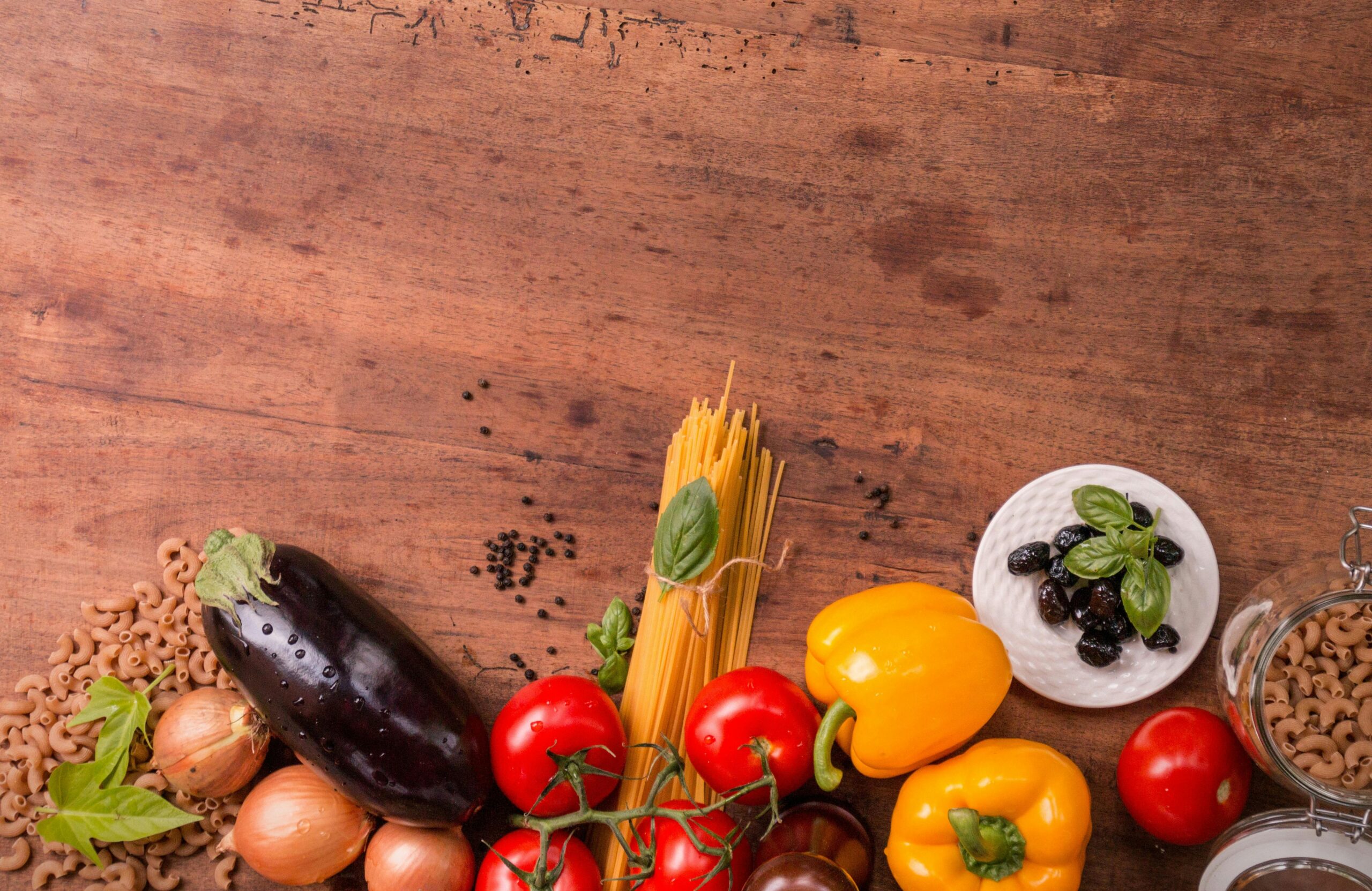
Food & Inflammation: How What You Eat Impacts How You Feel
Estimated read time: 3 minutesBy: Evolve Physical Therapy & Performance Team The Link Between Nutrition and Inflammation Inflammation isn’t always a bad thing — in fact, it’s part of how your body heals after hard training or injury.But when inflammation becomes chronic (from stress, poor sleep, or the wrong foods), it stops being helpful and starts slowing your recovery, energy, and performance.