
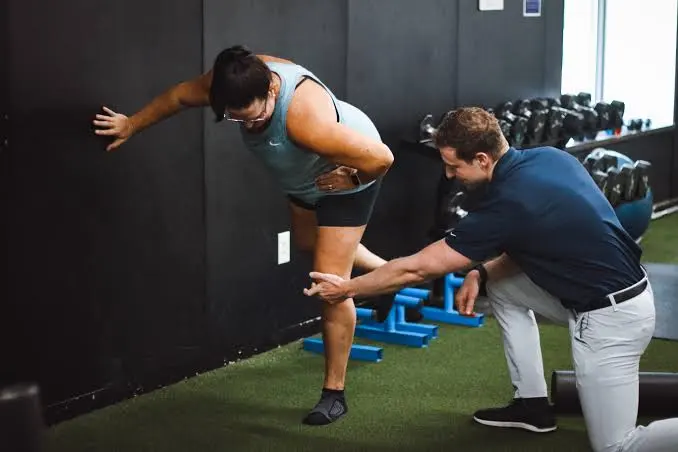
Most people think of physical therapy as something you start after an injury — once pain shows up, mobility drops, or daily life becomes harder than it used to be. But the latest research in rehabilitation, longevity, and sports performance all point to a different truth:
The smartest thing you can do for your future health is start “prehab” long before you need rehab.
Prehab — short for preventative rehabilitation — is a proactive, science-backed approach that helps you build strength, mobility, and resilience so you stay active, avoid injuries, and age with confidence.
And as the body changes with age (muscle loss, decreased tendon stiffness, joint wear, slower recovery), prehab becomes less of an option and more of a necessity.
Let’s break down why.
1. Prehab Protects You From the Most Common Age-Related Injuries
As we get older, the tissues that keep us moving — muscles, tendons, and joints — naturally lose some of their capacity. What research shows:
- Muscle mass declines 3–8% per decade after age 30, faster after age 50.
- Tendons become less stiff and slower to adapt without intentional loading.
- Balance and neuromuscular control fade without targeted training.
Prehab directly trains these systems through:
- Strength training
- Mobility and joint-prep drills
- Balance and stability work
- Tissue-specific loading (like tendon work)
This means fewer flare-ups, fewer movement limitations, and fewer “surprise” injuries from things that should be normal parts of life.
2. Prehab Improves Longevity — Not Just Lifespan, but “Healthspan”
Research from top longevity leaders like Peter Attia, Monarch Athletic Clubs, and numerous aging studies show one consistent predictor of long-term health:
Your strength and movement capacity in your 40s–60s predicts how well you live in your 70s–90s.
Prehab builds:
- Lower-body strength (key for fall prevention)
- Grip strength (a major longevity biomarker)
- Joint mobility (critical for maintaining independence)
- Cardiovascular resilience
The goal isn’t just to live longer — it’s to live better.
3. Prehab Helps You Train Harder, Without Breaking Down
Whether you run, lift, play sports, or just want to be active pain-free, prehab prepares your body to tolerate load.
Tendon prep → smoother running and fewer flare-ups
Core + hip stability → stronger lifts with safer mechanics
Shoulder prehab → overhead pressing without pinching
Instead of treating setbacks, you prevent them — and you get more out of your training because your foundation is stronger.
4. Prehab Builds Confidence in Your Body as You Age
One of the quietest killers of long-term health is fear of movement.
Pain, stiffness, or previous injuries make people hesitant to stay active — and that spiral leads to muscle loss, lower mobility, and faster aging.
Prehab breaks that cycle.
When you follow a structured prehab program, you learn:
- How your body should move
- How to load tissues safely
- How to maintain mobility and strength on your own
- What to do when something feels “off”
Confidence in movement = consistency.
Consistency = longevity.
5. Prehab Reduces the Need for Long-Term Rehab Later
This is the single biggest benefit as you age:
Every hour spent on prehab saves dozens of hours in future rehab.
Research shows that older adults with stronger baseline strength and mobility recover faster from:
- Back pain
- Knee and hip pain
- Rotator cuff issues
- Tendinopathy
- Post-surgical rehab
You’re essentially building an insurance policy for your body.
The Bottom Line: Prehab Is Not Just for Athletes — It’s for Anyone Who Wants to Age Well
The people who age the best are the ones who treat training as maintenance, not a reaction to pain.
Prehab isn’t flashy.
It’s not complicated.
And it doesn’t need hours a day.
It’s simply:
- 10–20 minutes of targeted movement
- 2–3 days per week
- Progressively loaded strength work
- Intentional mobility for your most-used joints
Small inputs now → massive outputs later.