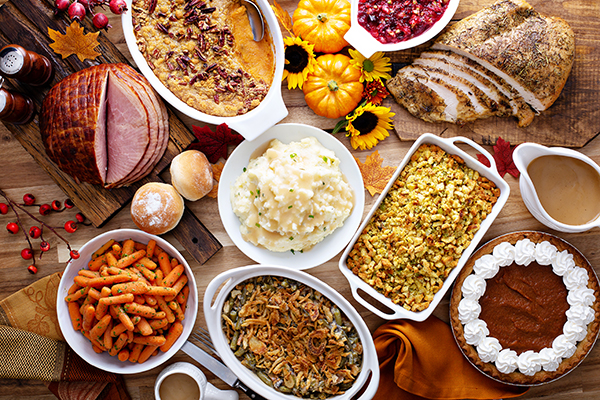
The truth is food during the holidays doesn’t need to be all-or-nothing. With the proper mindset, nutrition can support your energy, recovery, and health while still leaving room for tradition, connection, and enjoyment.
The goal isn’t restriction — it’s intentional prioritization.
1. Reframe Food as Fuel and Experience
Food plays two roles during the holidays:
- Physiological fuel → energy, recovery, immune support
- Emotional & social connection → culture, memories, joy
Problems arise when one role completely overrides the other. Instead of asking “Should I eat this?”, ask:
- What does my body need today?
- What foods actually matter to me?
This shift removes guilt and creates clarity.
2. Anchor Every Day With the Basics
Holiday meals may change, but your anchors shouldn’t.
Prioritize these non-negotiables daily:
- Protein at every meal → supports muscle, blood sugar, and satiety
- Fruits & vegetables → fiber, micronutrients, digestion
- Hydration → energy levels, appetite regulation, recovery
If these are in place, the occasional dessert or festive meal becomes metabolically insignificant in the big picture.
One balanced plate earlier in the day can offset an unstructured meal later — consistency beats perfection.
3. Don’t “Save Calories” — Front-Load Quality
Skipping meals to “earn” a big dinner backfires. Research consistently shows that prolonged under-eating increases:
- Overeating later
- Poor food choices
- GI distress
- Fatigue and irritability
Instead:
- Eat normally earlier in the day
- Emphasize protein + fiber before events
- Arrive satisfied, not starving
This improves decision-making and lets you enjoy food without losing control.
4. Choose the Foods That Matter (and Skip the Rest)
Not every holiday food is worth it — and that’s okay.
Use a simple filter:
- Meaningful foods → grandma’s pie, cultural dishes, special recipes
- Low-value foods → random snacks, mediocre desserts, mindless grazing
Eating what you actually care about leads to less total intake and more satisfaction.
5. Alcohol Counts — But It Doesn’t Need to Control the Day
Alcohol impacts:
- Sleep quality
- Recovery
- Appetite regulation
That doesn’t mean avoid it entirely — just be intentional:
- Eat protein before drinking
- Alternate drinks with water
- Set a decision, not a rule (e.g. “2 drinks max tonight”)
Sleep is one of the most overlooked holiday health levers — protecting it protects everything else.
6. Think in Weeks, Not Meals
Health outcomes are driven by trends, not isolated events.
A single holiday meal:
- Will not derail fitness
- Will not undo months of progress
But consistent neglect of movement, sleep, and basic nutrition will.
Ask:
“What does this week look like overall?”
If most days are aligned, the holidays become part of a healthy lifestyle — not a disruption from it.
The Takeaway
You don’t need to “survive” the holidays.
You can fuel them.
Prioritize:
- Protein
- Produce
- Hydration
- Sleep
- Meaningful food choices
Enjoy tradition without guilt, stay energized, and move into the new year without needing a reset — because you never left balance in the first place.
Train hard. Recover well. Eat with intention.